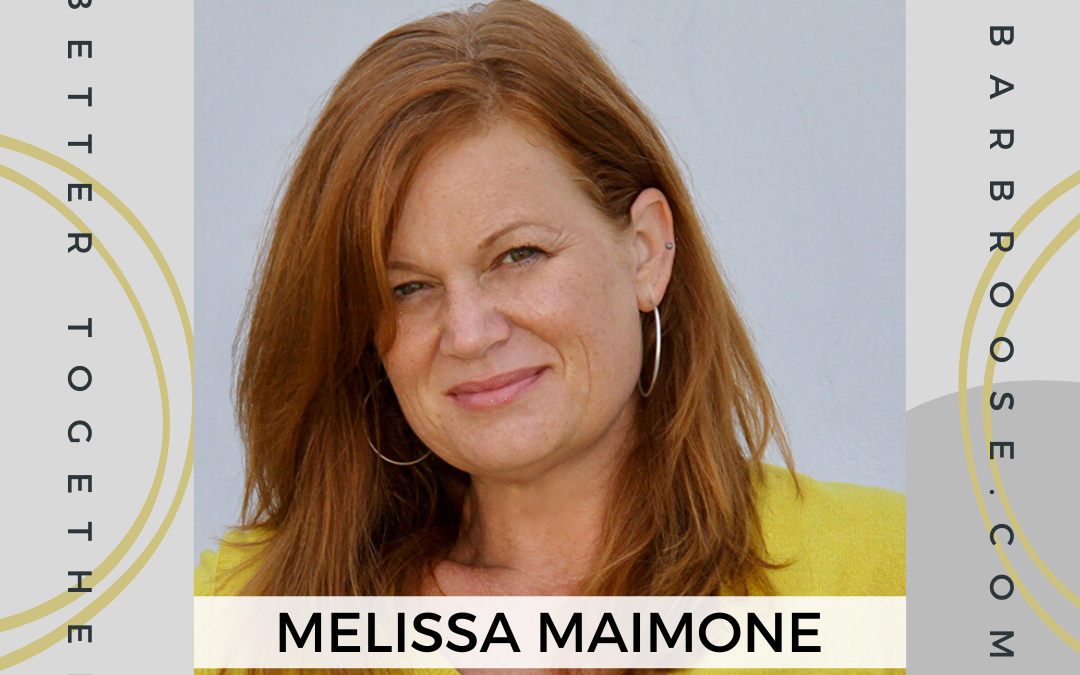
Hope IN the Midst of Depression with Melissa Maimone

Hope IN the Midst of Depression with Melissa Maimone

Do you struggle with depression and wonder why God doesn't or hasn't taken it away?

On this episode of Better Together with Barb Roose, my friend and author, Melissa Maimone joins me for a discussion about depression as well as strategies for living with hope IN depression.

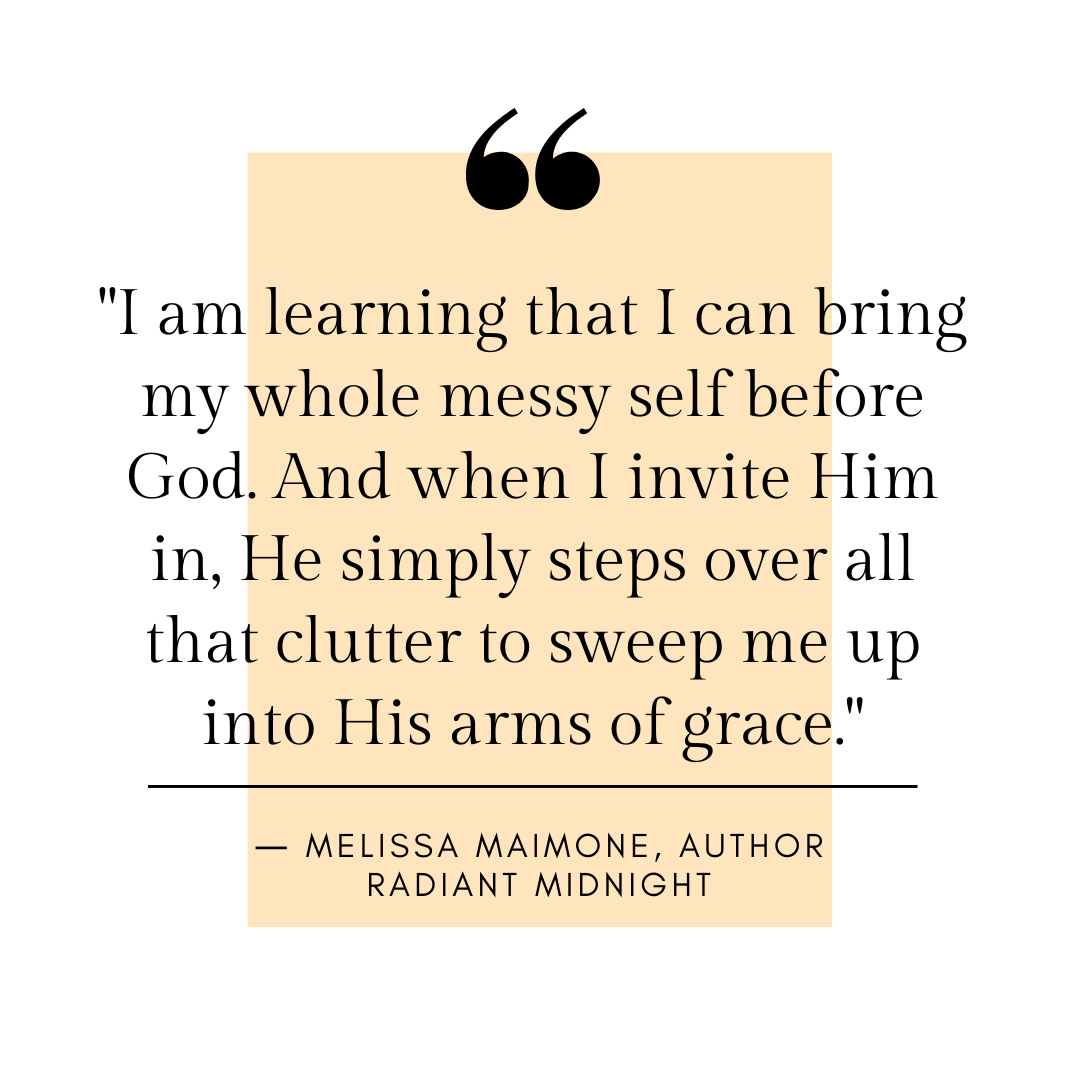
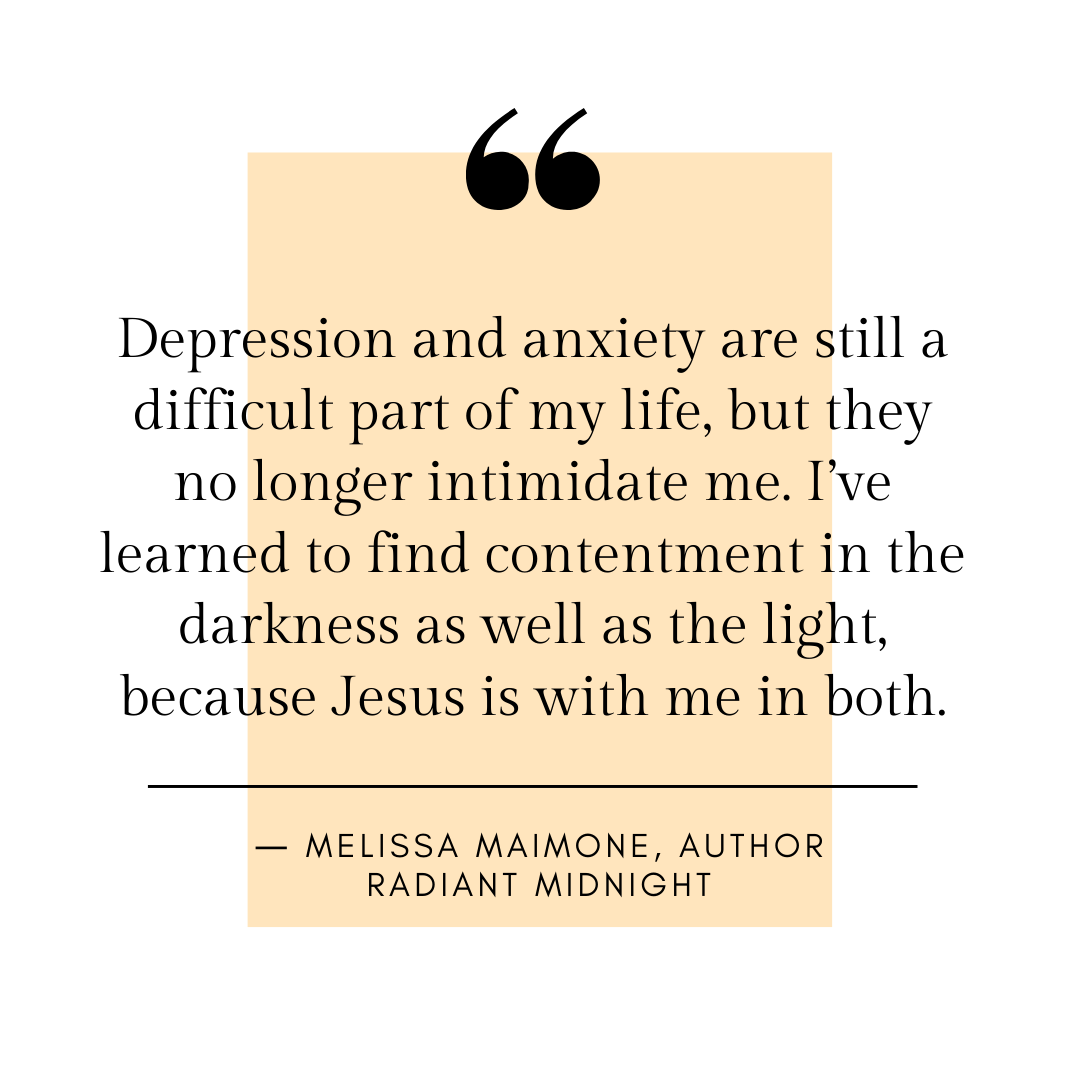
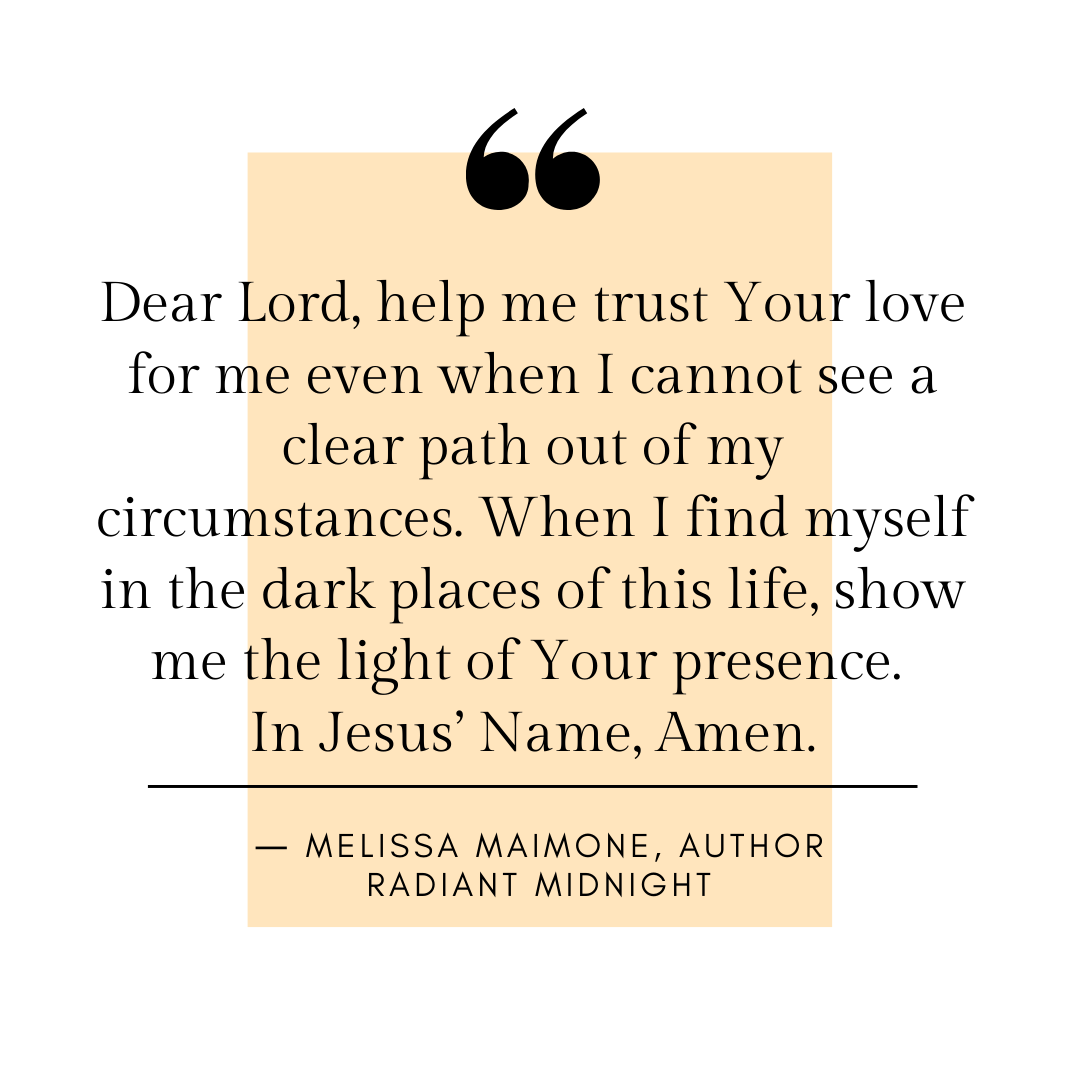
Melissa shares her story of life-long depression and anxiety. As the author of Radiant Midnight: Depression, Grace and the the Gifts of a Dark Place, she eloquently talks how God's loving presence is with us, even when our dark feelings try to convince us that He is not.

She also share three strategies for holding on and getting through the dark seasons: Grace, Grit and Grounding.


About Our Guest Melissa Maimone...

Melissa has been a featured speaker at various Christian camps, women's events and retreats throughout the United States. Melissa's writing has appeared on Lysa Terkhurst's Proverbs 31 blog, in Lifeway's HomeLife Magazine, and various other media outlets. She's been a guest on Kathi Lipps's Clutterfree Academy Webcast, TBN, and KKLA Christian Radio. She also makes regular appearances on popular podcasts discussing a wide range of topics for women.

She is on the speaker roster for Compassion International, a world-wide organization dedicated to releasing children from poverty in Jesus' name. She is passionate about their work and is honored to be part of a nationally recognized leader in changing the lives of children, their families, and their communities.

​Melissa served as the Director of Women’s Ministry (along with wearing a few other hats!) at a large church in Santa Clarita, CA for over a decade. She uses her wide range of church experience and her B.A. in Organizational Management to mentor other women in leadership.

​She and her husband Danny live outside of Raleigh, North Carolina. They are parents to Cole and Elizabeth, who lives at home. Their daughter Elizabeth has developmental delays. The experience of raising a child with special needs has been both challenging and rewarding--but they wouldn't change a thing!

She loves Jesus, her family, and her friends. Her hobbies include reading, walking, watching weird documentaries, and searching out the perfect street taco.

Links from today's episode:

Melissa Maimone's website

The Radiant Midnight Book

Better Together host Barb Roose is a popular speaker and author with a passion to help women live beautifully strong and courageous in Jesus' name. She's the author of multiple books and Bible studies, including Surrendered: Letting Go and Living Like Jesus and Joshua: Winning the Worry Battle. Visit Barb's online home at barbroose.com.
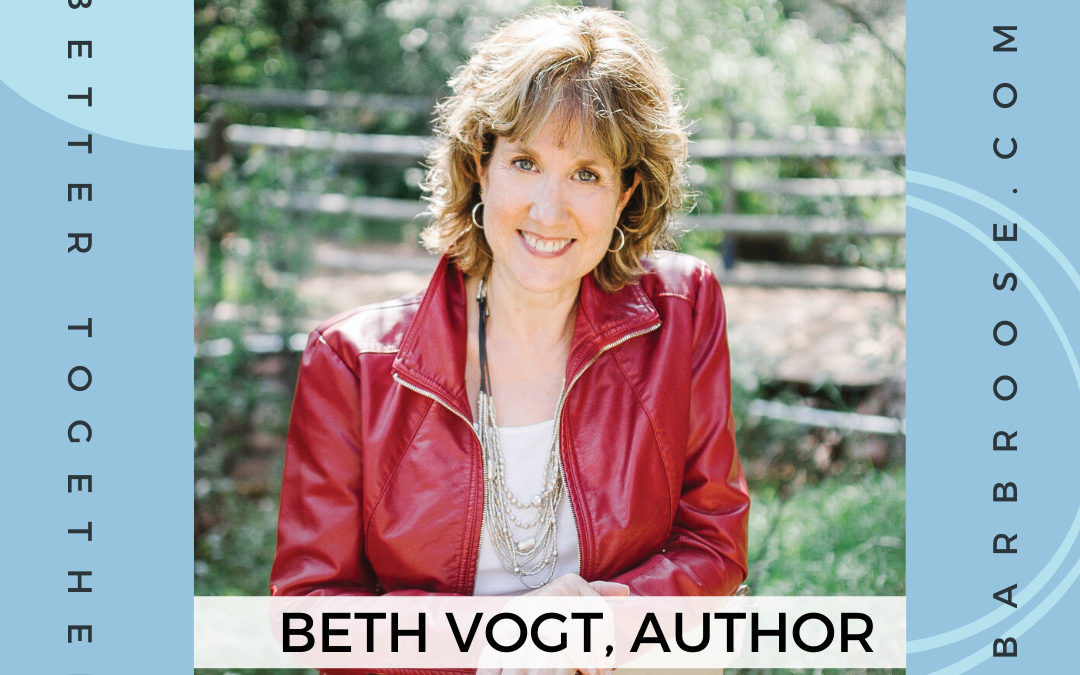
Six Ways God Shows Up When Life is Out of Control with Beth Vogt

Six Ways God Shows Up When Life is Out of Control with Beth Vogt

How does God show up in our lives when our circumstances are out of control?

On this episode of Better Together FB Live with Barb, guest Beth Vogt joins me to discuss some of the powerful names of God that remind us about who God when our lives get flipped upside down.

Rather than relying on ourselves, Beth encourages us to remember God's character and inspires us to trust Him! I love, love how Beth talked us through six of the many names of God- so powerful!

#1 Emmanuel - "God with us"

#2 - The God of Hope - Romans 15:13

#3: The God who gives songs in the night - Job 35:10

#4: God is our Comforter - John 14:16

#5: God is the Strength of my heart - Psalm 73:26

#6: The God of Love and Peace - 2 Corinthians 13:11

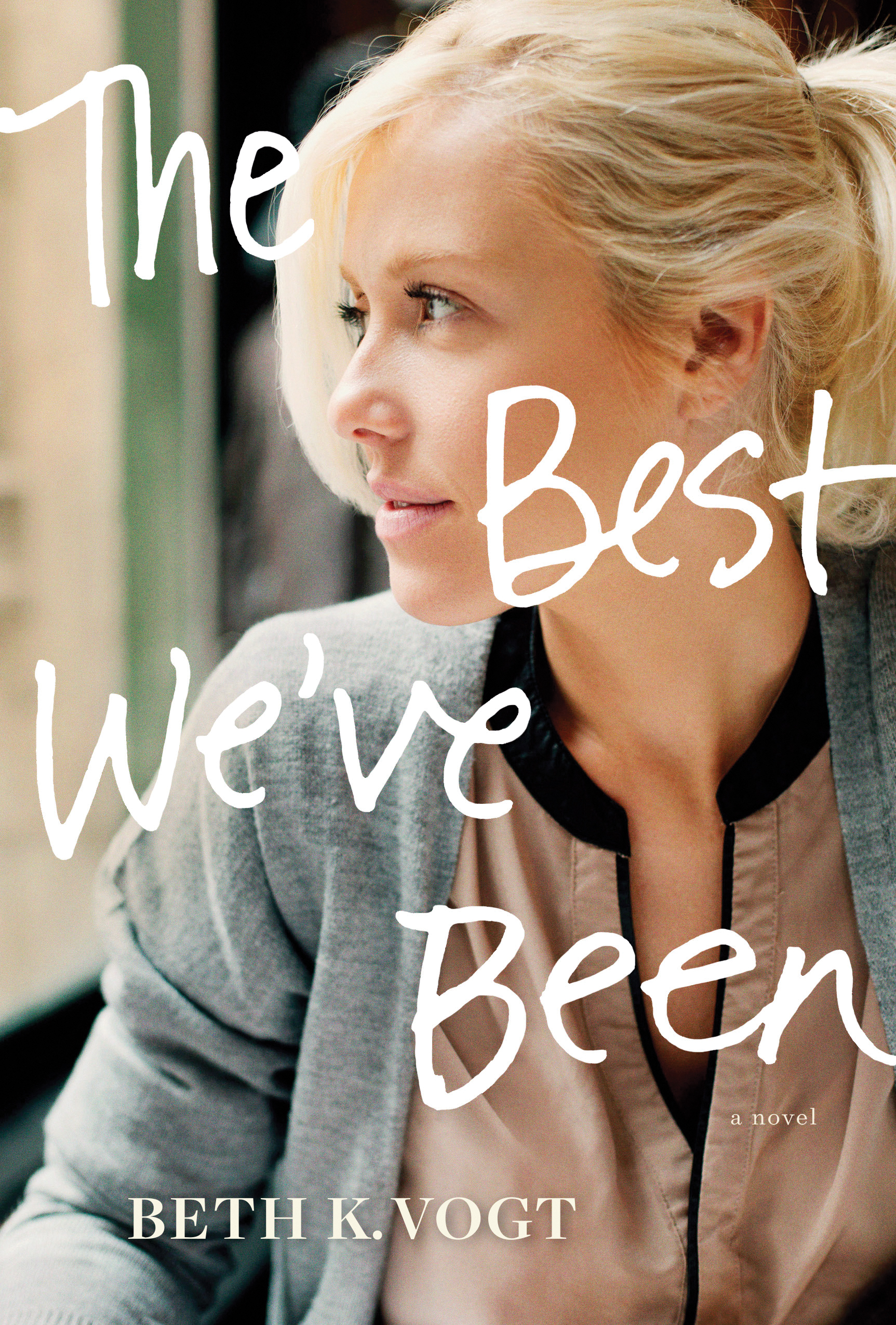
Award-winning author and editor, Beth also tells us about her new book, The Best We've Been, the third book in her popular Thatcher Sister series. This book depicts complex family relationships between three sisters, Peyton, Jillian and Johanna. In this final book, the sisters grapple with old wounds and tragedies.

As Beth drew upon the early years of her faith journey to write the sisters' story, she reminds us that "the best" doesn't always mean that we get what we're prayed for, but that what we have can be good.

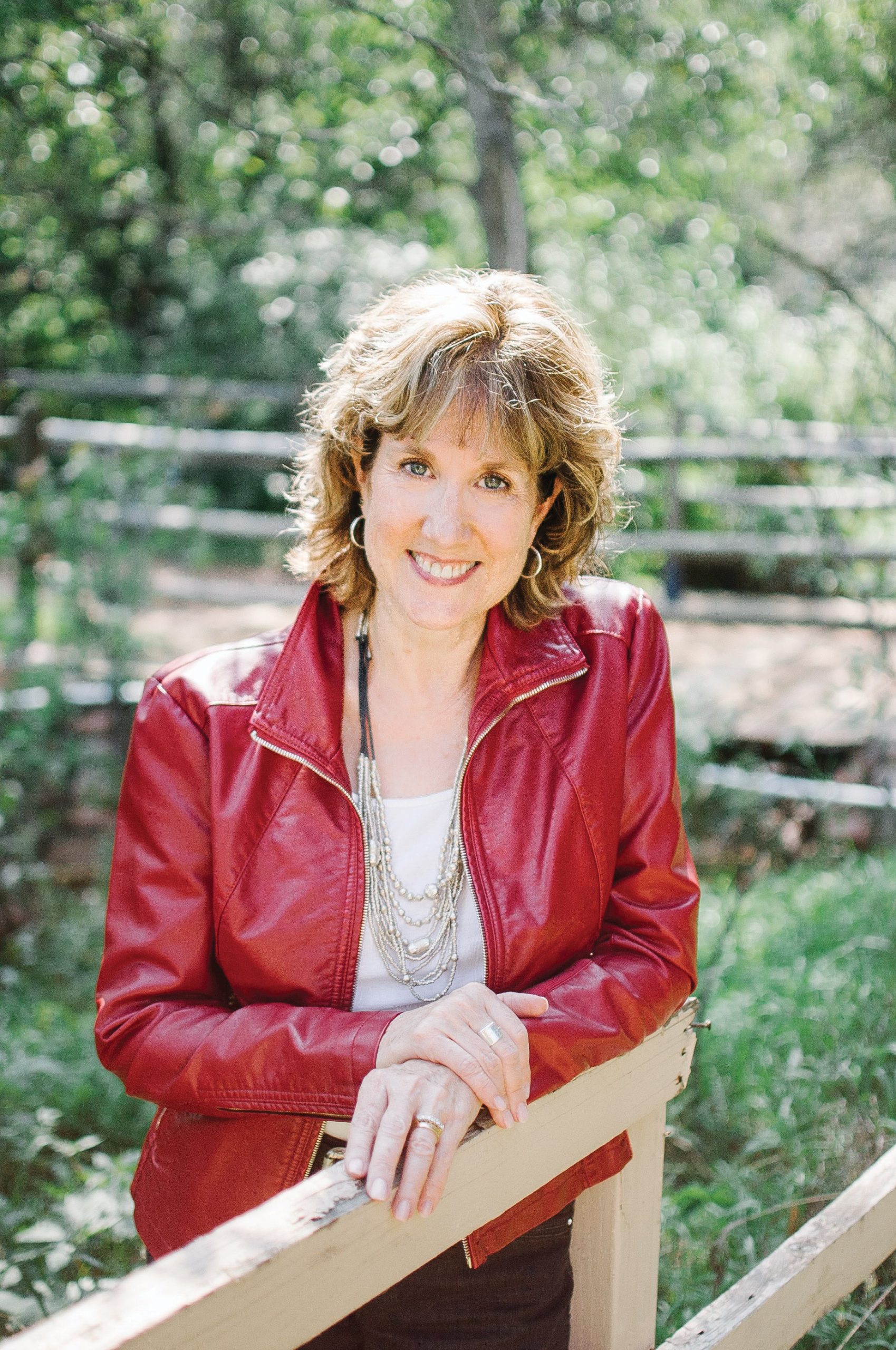
About Guest Beth Vogt

Beth is nonfiction author and editor who said she'd never write fiction. She's the wife of an Air Force family physician (now in solo practice) who said she'd never marry a doctor -or anyone in the military. She's a mom of four who said she'd never have kids. Now Beth believes that God's best often waits behind doors marked Never.

She's a multiple award-winning author, former editor and writing mentor. Beth lives in Colorado with her husband, Rob, who has adjusted to discussing the lives of imaginary people. 

Link to The Best We've Been


From a Black Friend to My White Friends…

From a Black Friend to My White Friends…

One of my most favorite scenes in any movie ever is the scene where Forrest Gump runs across America. In a moving cinematography montage, Forrest runs through cities, communities and along desert roads. At times, Forrest ran with crowds and at other times alone.

At no time in the two years that Forrest ran was he ever chased down by people with shot guns. He wasn't killed because someone thought that he was a burglar running their neighborhood  - just because of the color of his skin.

On February 23, 2020, a 25-year old black man named Ahmaud Arbery went running. Two men, a father and son, allegedly got in their truck and chased him down believing that he was a burglar in their neighborhood. A viral video showed the men shooting Ahmaud, killing him.

Those men were not arrested until just yesterday.

Today should have been Ahmaud’s birthday. Across America, people of all races ran 2.23 miles to reflect the date of his murder. Depending on how you curate your newsfeed, you’ve seen #irunwithmaud a lot or a little.

As #irunwithmaud today, I had some time to think about what I wanted to say - or more importantly, why I wanted to say something.

After my #irunwithmaud - I ran. I cried.  Then, I wrote this post.

When it comes to dealing with racial incidents, it seems like many of my white friends identify with one of the two responses: "deer in the headlights" or the "staring game."

The "deer in the headlights" is the feeling that sounds like, "Yikes, I'm stuck because I don't want to say something to tick white or black people off." Or, they feel like the staring game hoping  that someone else will blink first and say something or do something so that they don't have to.

Maybe I can help. I don't know. I'm going to try. However,  what I'm going to talk about AND ask you to think about will be uncomfortable. But, since people are STILL getting murdered in the year 2020 for the color of their skin, I think that you can handle being a little uncomfortable if you're willing to be a part of making life better for us all. (UPDATE 5.27.20 - Since I wrote this post, George Floyd was suffocated to death by police officers in Minneapolis.)

Here are common questions that I see majority culture asking over and over again whenever a black person is killed because they were black. I don't know what questions you might ask or hear others ask, but here they are:

  1. Why did he/she do to cause the cops/another person to shoot or kill them?

Perhaps, you could ask a different question like: “Why did the person who killed him/her believe that they had the right to take their life?”

Another question you could ask is, "Why are people still being killed because of their skin color?"

Here's one more: "Why is the knee-jerk  reaction to rationalize or look for a fault with the dead black person and not the white person that killed them?"

I've often heard people say, "Well, if some of those people weren't committing a crime in the first place, then they wouldn't have put themselves in danger."  

 Perhaps you want to consider this question  - since people of all colors and cultures commit crimes, not just black people: Why does arrest seem to come with a higher risk of death for black men than the rest of the population? 

  1. Why do black people insist on “Black Lives Matter”? Don’t all lives matter?

Yes, all lives matter. Black Lives Matter doesn't diminish the perspective that all lives matter or propose that black lives are more important. It’s a crowd cry for people to recognize black people die more for being black than white people die for being white - and black people want to call attention to that.

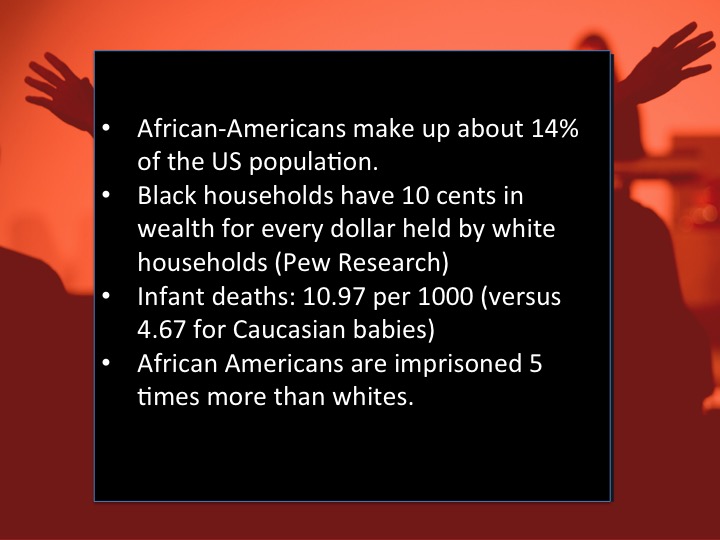
Imagine if you’re at a backyard party of 100 people (spaced 6’ apart these days) and twelve of the people in the crowd are black - which is about the percentage of African-Americans in America.

Suddenly, an Confederate flag-wearing intruder with a gun busts into your party. You see him looking for people to shoot. Trust me, you’re not going to be as concerned as the black people in the crowd. The black people will dive for cover behind you because know that they’re way more at risk of death.

There's a community where I live and to this day, I know that I cannot drive through that community without making sure that I know exactly where my drivers license is at AND my hands are for sure at 10 o'clock and 12 o'clock on my steering wheel. Why? The reputation in that community is that my black life is a threat to the other lives. My life matters less there.

Black lives matter isn't excluding other lives, it's simply advocating for our lives because our lives are too often in danger.

  1. “Why do “they” try to make white people like me feel guilty? I haven’t done anything.”

If you get the feeling that black people in America are angry, you maybe right. But, I'm going to ask that you not take it personally and ask, "Have I really taken the time to talk to people to find out why they feel this way?"

While it’s true that this whole thing isn’t about you, the fact is that you are definitely a part of it.

There’s no simple way to explain such a complex problem as racism, but here’s a short video that may shed some light things.

Just watch. You don’t have to agree, but listen and ask yourself, "Even if this video is only 25% or 50% right, what does this mean?"

4. “Barb, I have black friends so why are black people calling people like me racist?”

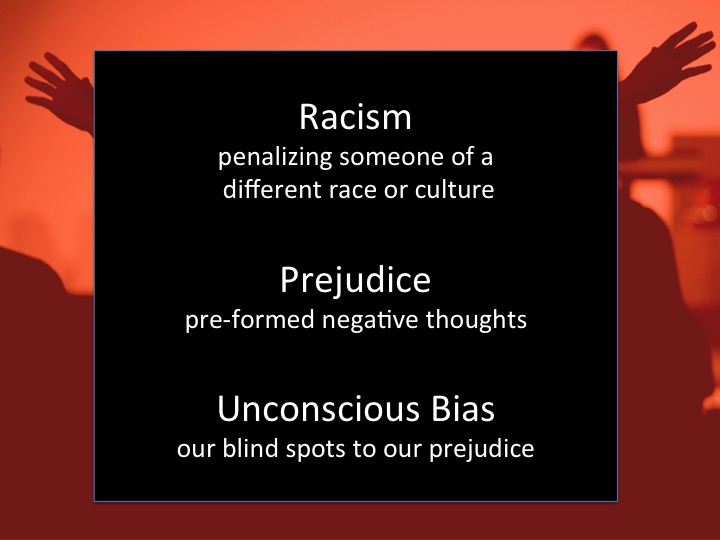
The following questions will be uncomfortable. But, important for you to do a temperature check on your own life. These questions aren't a test of racism, but whether or not you may have some blind spots when it comes to the topic of racism and prejudice that you may need to intentionally address:

  • How many black families live in your neighborhood? If there are none, are you comfortable with that? If a black family moved into your neighborhood, what would really happen?
  • Have you ever recommended one of your friends for a job? Now, have you ever recommended a person of color for a job?
  • If you are senior level management or above, how many your colleagues are African-American? If there are only one or two people, why is that?
  • How many days in a week will you go without having a real conversation about life with a person of color?
  • Have you ever sat down and really listened to a black person tell his or her story of facing racism?


  1. "Okay, Barb, what do I do now?"

This morning, I received texts about the Ahmaud Arbery murder from three precious friends text:

“That young man is the face of people that we love.”

“It’s unbelievable. It’s devastating. It shouldn’t be this way.”

“I don’t even have words…but I am with you guys.”


These texts meant so much to me. I treasure that my white friends took the time and cared enough to acknowledge what was happening.

They didn’t minimize, try to explain the event away or justify the shooters. They were just present in a pain that black people across America feel all too often.

So, what can you do?

Two things: SHOW UP AND SPEAK UP

  • If you’re married, perhaps you should have hard conversations with your spouse about where you live -  and if you’re okay with why your neighborhood looks like it does.
  • When you see people undermine the dignity of people of color, speak up. Actually say the words: "We are not treating _____________ with the same respect/kindness/dignity like we would treat each other and we need to change that now."
  • At your job, be intentional about recruiting people of color isn’t favoritism. At a certain level of your organization, chances are that people of color are being overlooked way more than they are being recommended. You can level the playing field.
  • Plant intentional seeds in your children’s hearts by bring people of different races into your home and sitting around a socially distanced dinner table with them.
  • Finally, SPEAK UP. People of color can scream all day long about injustice, but we do not have the level power nor the authority to influence at the level where both hearts and the justice system needs to be changed. That ball is in your court.

COMMENTS: How do you feel after reading this? Are there are questions or struggles that you have when it comes to talking about race?

Need a first next step?

You can start here! My (g)race project page assembles several of the race, grace and gospels resources that I’ve written, recorded or recommended over the years. If you want to hear my story and explore how you can seek healing, justice and unity in our churches and world, click the button below to get started!

BOOK RECOMMENDATION

If you want to gather up some friends for a book club or a summer small group, I have a resource for you. Last year, I had the privilege of endorsing Black & White: Disrupting Racism One Friendship at A Time.

It was written by two former staffers at Andy Stanley’s NorthPointe Church: Teesha Hadra, an African America and John Hambrick, a Caucasian. They formed an enduring friendship while they worked on staff and decided to write the book.

The book was a win for me because at the end of every section, there are AMAZING discussion questions that would provide from some great group discussion. P.S. This book is also likely the only time in my life when my name will be above Andy Stanley’s – ha!

Overcoming “Pandemic Fatigue”

Overcoming “Pandemic Fatigue”

It was about 3:45 PM last Wednesday when I felt like I’d fallen into the deep end of a swirling pool of dark emotions. Instead of fighting my way out of my ugly feelings, I sank right to the bottom and stayed there.

 Those dark emotions took my by surprise. Just a few hours before, I’d been happily volunteering for the United Way followed by a trip through the Starbucks Drive-Thru. It had been a pretty good day.

 All of the sudden, I felt like I was drowning in exhaustion and sadness. As I sank to the bottom of my bad feelings, I had just one thought:

 I am done with the pandemic.

 Actually, I wasn’t just done with the pandemic. I was DONE DONE with the pandemic.

There’s a term for this: pandemic fatigue.

 Medical professionals are using pandemic fatigue as an umbrella term to describe a lot of things. This is how I'm defining it:

Pandemic fatigue is mental and physical tiredness the result of navigating constant change and uncertainty. 

Pandemic fatigue makes us feel like we’re just DONE with the things that keep changing or adding to our uncertainty. Here’s a list – feel free to share in the comments anything that I might have missed:

It’s being done with not knowing when it’s going to be safe to leave the house or to even go grocery shopping.

It’s being done with homeschooling AND working at the same time;

It’s been done with watching doomsday or conflicting reports on the news;

It’s being done being with your spouse all of the time.

 It’s being done with the loneliness because you’re single and you can’t date anyone.


It’s being done with watching endless government press conferences;

It’s being done with scouting toilet paper and figuring out what to make for dinner for the 155th night in a row.

Pandemic fatigue sank me HARD last Wednesday.

What caught me by surprise is that I couldn’t coach myself out of those DONE DONE emotions. Usually, I can move my mood with a long walk, phone a friend, prayer or work out. Nope. Not that day.

I could only do two things: BE and BREATHE.


BE…


I had to hold space for myself. I gave myself permission to just sit at the bottom for a period of time. I didn’t beat myself up for not coaching myself out of it. I gave myself the gift of just accepting who I was in that moment, even if I wasn’t in a good place. It was okay for me to not be okay.

As I sat in the difficult, deep place, I had to speak Truth to my feelings. This is why I talk about the ABC’s in the Wilderness in my new Surrendered Bible study. There three truths came in handy in my hard space:

I am Always Loved by God (Jeremiah 32:3; 1 John 4:9)
I Believe that God is for you (Joshua 1:9)
I have to Challenge myself to trust God and let go. (Proverbs 3:5-6)


In my deep place, I took the focus off myself and what I was feeling and focused instead on God’s truth. That began to bring some much need relief. This allowed me to then:

BREATHE…

When I labored with my kids, the main coaching advice was to breathe. My ability to bring new life into the world was to begin with focusing on my own need to breathe.

Life begins with breath. We suffocate when we can’t take full and deep breathes.

When’s the last time you were aware of your breath? We can’t do anything meaningful for long if we aren’t fully oxygenated.

Sometimes, the worst thing that we can do when we're tired is to keep doing more things.  

So, as I sat in my pandemic fatigued moment, I stopped moving. I had to stop being productive in order to survive.

I allowed myself to concentrate on breathing. Deep breathes. If you’ve done my CALM Technique, one way to take deep breaths is to inhale 1 and exhale “MISSISSIPPI” - it works.

It took about an hour for me to rise back to the surface and out of those ugly emotions. But, I've sank into the pool a few times on and off since then. But as I practice "be and breathe" I remember that the feeling will pass. It will for you, too.

Then, BALANCE.

Life must go on. Being and breathing is important, but we do have to get moving again. However, for me, I've had to re-evaluate how much I do, how fast I'll move and how far I'll go. 

During the pandemic, our capacity is like an old cellphone battery. Our energy runs out quicker than normal because the pandemic is always running fast and hard in the background of our lives. It's a silent energy drain that we don't respect enough. 

So, balance for me is adding in more rest time to recharge my batteries. 

CONCLUSION...

Pandemic fatigue can be many things to many people. But for me, I’ve allowed it to become a “yellow light” in my life. When I’m feeling tired and weary of it all, I give myself permission to take 10-15 minutes to Be and Breathe.

Be gentle with yourself, friends.

5 Ways to Get Moving Again with Vicki Heath

5 Ways to Get Moving Again with Vicki Heath

Have you fallen into your couch and you can't get up? During the pandemic, many of us have struggled to exercise or take care of our bodies well.

On this episode of Better Together Facebook Live, host Barb Roose talks with Vicki Heath, who will share five easy and very practical ways to get moving again.

1. Decide to work out

Vicki encourages us to begin with doing any little thing, whether it's taking a few moments to stretch, even on the couch or stand up while watching television. Vicki's go-to tip: Put your workout clothes on when you wake up!

2. Avoid the "too's"

If you're out of the rhythm of working out and you want to get back into things, Vicki reminds us to avoid working out too much, too soon or too fast. It's okay to move back into working out slowly and give your body a chance to adjust back into working out again.

3. Try something different

If you aren't motivated to do what you normally do, this is a great opportunity to pull up YouTube and try a different kind of workout.

4. Focus on the benefit, not the pain

Vicki encourages us to focus on the emotional and physical benefits of working out as a motivation to put on our sneakers.

5. "Make Every Effort"  

Vicki reminds us that there are many places in the Bible that instruct us to "make every effort." Our bodies were gifted to us by God and we need to make the effort to honor Him with our body.


About Our Guest Vicki Health...Vicki Heath is a certified fitness instruction and the National Director for First Place4 Health, a faith-based wellness ministry. She's the author of multiple books and her passion is to help others find their way to whole person wellness. Vicki dances, jumps and sometimes limps her way as she leads exercise classes in her community. She strives to bring others into the Kingdom by her example by a radical but humble devoted follower of Christ. 

Links from today's episode:

Body and Soul (check out for workouts!)

https://www.bodyandsoul.org/

First Place 4 Health Resources: https://www.firstplaceforhealth.com/shop/my-place-for-fitness/

Seek God First Bible Study

https://www.firstplaceforhealth.com/shop/seek-god-first-new-9-week-study/

Better Together host Barb Roose is a popular speaker and author with a passion to help women live beautifully strong and courageous in Jesus' name. She's the author of multiple books and Bible studies, including Surrendered: Letting Go and Living Like Jesus and Joshua: Winning the Worry Battle. Visit Barb's online home at barbroose.com.
Pin It on Pinterest