Unpopular Opinion: Your Calling is a Response to Jesus, Not a Role You Perform

Unpopular Opinion: Your Calling is a Response to Jesus, Not a Role You Perform

I receive emails or I’m approached from by Jesus-loving women who wonder if they’re letting God down because they haven’t figured out their calling. Women who believe that they are supposed to be leading some ministry, starting a non-profit, married or killing it at motherhood - and they feel less-than in the kingdom of God because they’re not.

Maybe that’s you. You hear women say, “God called me to do _______” or “God called me to serve ______________” and you’re wondering, Why haven’t I figured out what God’s called me to do? Oh no, have I missed it?!  

When Jesus called the disciples, this is what he said:

Jesus called out to them, “Come, follow me, and I will show you how to fish for people.”

-Mark 1:17 NLT

Jesus called. They responded. Jesus priority was for the disciples to follow Him. Later, when Jesus sent the disciples out in pairs, Mark 6:7 notes that Jesus called them to him, then he sent them out. The Greek word proskaleó for “Jesus called” means that Jesus drew the disciples to Him first for relationship, then he sent them on assignment.

Through grace, we’re called into relationship with God. Popular opinion is that calling is about roles or performance. Yes, people received assignments in the Bible as teachers, apostles, etc. Now, callings can lead to assignments from God, but an assignment shouldn’t be confused with our calling to live as children of God.

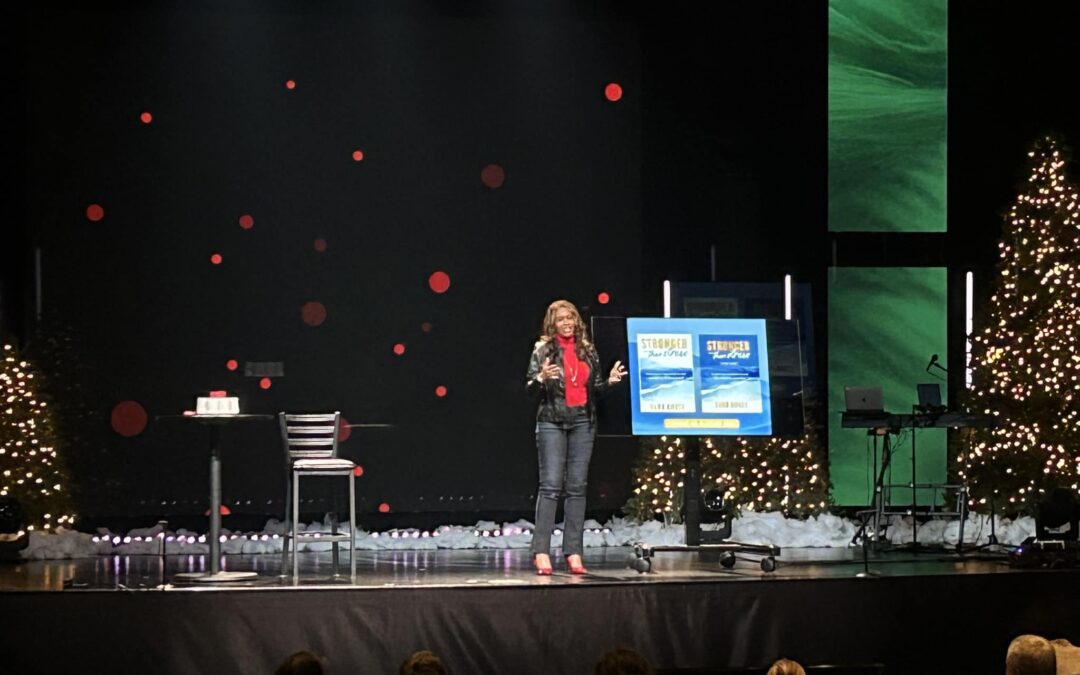
My calling isn’t to stand on a stage, teach or write books. This is God’s assignment for my life right now. I’m grateful for this assignment, but it’s not guaranteed for the rest of my life. Some of my past assignments have also included pharmaceutical sales, working for my church and motherhood. The caution is for us to not turn our assignments into our identity. There’s a lot of confusion and pain that happens when we confuse calling with our identity, especially when a ministry role ends or a season of life changes.

When your calling is to know God, then whatever assignment God brings into your life stems from your abiding or connection to Him. When He brings that assignment to an end, you may grieve it, but it doesn’t shake or topple your identity because it always stayed in God, not some external place.

My calling is know God and from my relationship with God. From that identity, I’ll share the gospel, but how that happens isn’t dependent on my job or career.  I tell my friends that I can live out the gospel as a child of God on a stage, on a plane, working at Target or in a hospital bed.

My friend, when you live as a fully-alive disciple of Jesus when you recognize that your calling begins with your relationship in Him…

not in your ministry role at church,

not in your career title,

not in how many people follow you on social media,

not in your status as a wife or mother.

Your greatest purpose is to know Christ. Period.

You are living out your best life when you are living hand-and-hand with Christ.

On Friday, I attended the memorial service of a dear man named Ray. He served weekly as a greeter at our church’s 9am service for at over fifteen years. I also knew Ray from my weekly Al-Anon group. Every single time that I saw him, Ray spoke a word of encouragement and always gave me a hug. Ray also served at Celebrate Recovery as a mentor.

Every person who stood up at the memorial service remembered Ray as a kind, gentle, committed follower of Jesus. What was Ray’s calling? He followed Jesus and from that relationship, God used Ray in powerful ways to encourage others, to listen, to be a friend and to grow in Christ. He never stood on a stage. Ray never had a big ministry. But he made a lasting and positive impact on thousands of people in his lifetime.

I wanted to share Ray’s life with you because I suspect that many, many of you are just like Ray. You love Jesus and you are serving others. However, you’re comparing what you do to what others are doing and it doesn’t feel big enough or important enough.

If that’s you, please pay attention - close attention to what I’m about to say:

If you’re following Jesus and you’re serving God from the heart in any way, then you’re in the sweetest spot of where you are supposed to be until God moves you somewhere else. Enjoy that assignment. Celebrate joining God in His work. When other ask you about what your calling is, you can say this: Jesus called me to follow him and right now, I’m exactly where God wants me to be.

I hope that this devotional encourages you today. If you’ve got a story to share or something in today’s devotional helped you, drop a comment and let me know!

When Your Life Doesn’t Go as Planned

When Your Life Doesn’t Go as Planned

Last week, I saw this updated version of Your Plan Vs. Reality meme on Facebook. The classic version from a few years ago didn’t have flames, spider webs or sharks, but life has changed dramatically since 2020, right? Yet, the message is still the same.  We have the expectation that life will be smooth and predictable. Life keeps proving that twists and turns are a part of every journey.

We have a choice: We can get better or bitter when life twists in a way that we don't like.

Today, I invite you to learn some lesson from a woman whose life didn’t turn out as she’d hoped. She became bitter, but eventually, she got better.

Her story resonates with me because I spent a lot of my life believing that if I worked hard, trusted God and put my grocery store cart back after unloading my groceries, then life shouldn’t throw me any big curve balls.

In fact, I’ve told God on many occasions that I’m not a big fan of curve balls. I want life to be gentle. I’d love to know what’s coming and plenty of time to figure things out. Who’s with me? 

In the book of Ruth, we meet Naomi as her life is in shambles. Her husband is dead and so are her sons. Naomi lives far from her home in Bethlehem and now, she needs to go back to pick up the pieces of her life again. If you want to read all of Naomi’s story, today’s a good day to do that! The book of Ruth is only four chapters long and contains a sweet love story, too. If you can’t, I’m here to give you a cliff notes version with some thoughts for you today:

I remember feeling like Naomi years ago. I’d been married for 25 years when over the course of one year, I had to move out of my home, my husband didn’t want to be married anymore and my father and father-in-law died. I’d wake up in the morning and beg God to bring my old life back because nothing was like before and it all hurt too much.

Life falls apart for all of us. Some of you have been there – more than once. Some of you have written me about lives out of control or unwanted changes. How do you wake up and keep going without getting bitter like Naomi? Maybe you wouldn’t say that you are bitter, but you know that your fellowship with God has been broken. You’ve distanced yourself from God – and you blame Him.

When Life Isn’t Going As Planned:

  1. Don’t push away the people who love you and want to help you.

Naomi does her best to shoo away daughters-in-law, Ruth and Orpah, who want to say with Naomi. She thinks that she’s bad luck, “Things are far more better for me than for you, because the LORD himself is raised his fist against me” (Ruth 1:11 NIV). Thankfully, Ruth is tenacious, and Naomi relents. Later, Naomi realizes that Ruth was God’s provision for Naomi even as Naomi was too angry to see it at the time.

REFLECTION: Who are the people in your life that God could be sending to help you? Do you need to stop pushing them away? Be humble and say “yes” when loving people offer to help.

  1. Take Your bitterness TO God, Not Make Your Bitterness About Him

Here’s what Naomi said to the women in Bethlehem who welcomed her back home: “Don’t call me Naomi, instead call me Mara, for the Almighty has made life very bitter for me. I went away full, but the Lord has brought me home empty” (Ruth 1:20).

You know what I appreciate here, Naomi is honest. She’s not trying to spread super-spiritual topping over the devastation of her life. The issue is that Naomi hadn’t taken her anger to God.  When you’re angry at God, but not talking to Him, that bitterness will poison you inside out and you’ll drive people away with your anger and negativity. When you bring your bitterness to Him, God helps you work through it to healing.

ACTION STEP: Be honest WITH God about your anger and disappointment. Actually say the words: “God, I’m bitter and angry that You let ___________ happen.” He can handle it.


  1. Keep Your Eyes Open to God’s Grace

Ruth begins working in a man named Boaz’s fields. Naomi perks up because Boaz is a distant relative and perhaps for the first time, Naomi senses hope. “May the LORD bless him. He is showing his kindness to us as well as to your dead husband” (Ruth 1:20). Naomi saw the blessing and grace of Ruth working up in the field of a family member who watches out for Ruth. Naomi chooses to see God at work and that begins to change something in her.

REFLECTION: God’s grace is in your life somewhere. Take time today to look for it. Are you willing to acknowledge that even in a hard place of anger or grief, that God is still providing for you – even if it isn’t what you want?

There’s so much more to learn from Naomi! The speedy version is that eventually, she coaches Ruth on how to capture Boaz’s attention. Ruth and Boaz fall in love, which also means that Naomi’s security, family and future are restored.

Today’s devotional isn’t a 1-2-3 easy answer if your life has been heartbreaking or hard. Rather, these brief thoughts are intended to be a flash of hope so that you know that God hasn’t forgotten you, especially if you’ve been wondering why your life hasn’t gone as planned.

Like Naomi, I’ve experienced the restoration of security and hope, even though God has provided in a way that I hadn’t expected. He will do the same for you. God is a gracious God of restoration and renewal.

JOIN THE CONVERSATION: Was your life turned out different than you planned? What was hard for you? How did you see God’s mercy or grace in your life?

PODCAST: The Accidental Homesteader: What Chickens and Compost Taught Kathi Lipp about Creating Home

PODCAST: The Accidental Homesteader: What Chickens and Compost Taught Kathi Lipp about Creating Home

Becoming a homesteader may sound totally out of reach, but chances are you may already enjoy some of those activities in your day-to-day life. Do you enjoy whipping up a home cooked meal, taking care of your house plants, or creating a cozy home for your family? Well in this episode, our special guest proves that there is a little bit of homesteader in all of us. 

In today's conversation, Barb speaks with author and friend Kathi Lipp about her move from Silicon Valley to the mountains of California and her journey to becoming an accidental homesteader. Even if you don't aspire to grow your own vegetables or knit your own clothes, Kathi shows us how we can embrace a simpler and more fulfilling life and create a home that we love.


RESOURCES FROM THIS EPISODE

kathilipp.com

The Accidental Homesteader: What I've Learned about Chickens, Compost, and Creating Home

Connect with Kathi on IG!

Connect with Kathi on FB!

ABOUT OUR SPECIAL GUEST

Kathi Lipp is the Publisher’s Weekly bestselling author of 20 books, including An Abundant Place: Daily Retreats for the Woman Who Can’t Get Away, Overwhelmed, and Clutter Free.  Along with being a part of the InCourage at Dayspring writing team, she is the host of Clutter Free Academy the Podcast! with Kathi Lipp, Facebook group Clutter Free Academy, and Clutter Free for Life.

As a writing and marketing coach, she is also the host of the Writing at the Red House Podcast and runs both The Writing at the Red House Retreats and The Red House Writers Collective – a writing program that helps authors develop their writing, their platform, and their business.

She is often featured in Nation Media, including Woman’s World Magazine as one of their “Ask the Experts”, Focus on the FamilyMOPSInternationalCrosswalk.comGirlfriends in God and Proverbs 31 Ministries

Kathi lives on her Red House mini-homestead with her husband Roger, a dog, and eight chickens and holds cozy writer retreats for content creators.

Are You a Safe Space for Other Christians?

Are You a Safe Space for Other Christians?

 These days, buzzwords like “spiritual abuse” and “church hurt” are flying around. At my church, one of our sayings is that “church should be the safest place in the world for hurting people.” It’s a bummer that we have to say this because every church and Christian should be safe, but that isn’t the case.

Today’s question: How can we be safe spaces for others?

Without safety, people won’t stick around to either hear the gospel or grow in grace. Some of us are pretty comfortable in our Christian skin that we don’t always recognize that our words or language is making others uncomfortable.

Being safe doesn’t mean that you excuse sin or you ignore suffering. However, you are a safe space when people (saved or unsaved) can be honest with you about their sins, struggles or their circumstances without fear of abuse, judgement, or being shamed. You are a safe space when you apply God’s Holy Spirit to what you say, when you say it, and even what you don’t say.

Let today be a wake-up call for ALL of us to not only share the gospel, but we will also be safe people who live out the gospel, too.

We can find practical guidance to apply here:

Understand this, my dear brothers and sisters: You must all be quick to listen, slow to speak, and slow to get angry.

-James 1:19 NLT

Let’s look at the three elements of that verse and how applying James’ wisdom can help me and you be a safe space for other Christians:

  1. You all must be quick to listen.

How many of us are quick to give advice, interrogate, freak out or judge? That’s often what happens when someone tells us something and our anxiety over their spiritual condition overrides what they need in the moment.

Here’s the biggest issue: When we’re thinking about our response instead of really listening, we hear their words, we likely miss listening to their heart. When we listen well, we can often hear their pain, frustration, fear, or their grief?

There are some questions that I like asking to help me be a better listener to not only the person’s words, but also listen to their heart and their struggle. Consider asking these questions the next time someone approaches you with a problem:

What’s been hard for you?

What have you been praying about?

Where do you see God working?

What questions are you asking yourself these days?

What kind of support would be most helpful for you?

God is powerful enough to straighten the out. What if God’s purpose for us to be a safe place to hear them out.

2. You all must be slow to speak.

Sometimes, I think that we’re talking over the voice of the Holy Spirit in people’s lives. They share something and we’re right there with something to say. What if the Holy Spirit is speaking to their hearts in that moment? What if we paused to give the person space to hear a possible leading from God’s Spirit?

In my weekly Al-Anon meetings, we keep our space safe by NOT giving advice after someone shares their story or even their frustration. Happy Monday Community, can we admit that we often don’t know the full 360 view of a person’s problem or journey, but God’s Spirit does. Let’s get out of the way after someone shares and give the Spirit some space to speak to them.

If you need to say something, try encouraging words like “Thank you for sharing that with us” or “We’re so glad that you are here” or “We are here and we’re praying for you.”

After the meeting, if you still feel God prompting you to speak, then you can approach the person and ask permission to share something on your heart.

3. You all must be slow to get angry.

Anger is a self-centered emotion. When we’re angry, it’s about what we’re feeling inside, not about someone else. We get angry when we’re offended or we’re outraged by others sin. We’re slow to get angry when we remember our sins and our struggles so we’re not quick to get offended or judge. Since God is slow to anger with us, then we need to model that and coach ourselves to not be so quick to be disappointed, offended, judgmental or critical of others.

REFLECTION: As you think about being a safe space as a Christian for others, what else would you add to today’s devotional? When you reflect on James 1:19, which one(s) stand out to you?


You’re Saved, But Do You Believe that He Loves You?

You’re Saved, But Do You Believe that He Loves You?

Last week I had a difficult conversation with someone important to me. This person carries a heavy grudge against God. A lifelong Christian, this person grew up in a home where Bible was weaponized and used as a reason to justify harsh words and frequent punishment. Instead of learning the fear of God as reverence for a holy God, this person was taught that God was hostile and he prioritized punishment over love. Even with a lifetime of knowing the Bible, this person still struggles with lingering hard feelings.

Maybe you can relate. You know that you are saved by God, but you question whether He loves you. Whether the trauma from your upbringing, you’ve been unlucky in love, suffered from poor health, stuck in a painful marriage, or constant financial insecurity you’re pretty sure that God has favorites, and you aren’t one of them.

When the person in my conversation admitted their grudge against God, my heart simply broke for them. If this is how you feel, my heart breaks for you as well. It’s devastating to wonder if God loves you or excruciating to believe that He doesn’t. Not feeling God’s love is like being stuck under a dark cloud. You know the sun is there, but you can’t feel its warmth.

God’s heart hurts for you as well. He knows that when we question His love, we’re vulnerable to Satan's lies. The Enemy of our soul knows that when we doubt God’s love, we’ll justify doing what God knows isn’t good for us. As the proverbs say, this path seems right at first. Instead of finding the substitute for God’s love that we long for, we unintentionally create pain, brokenness, and hurt people around us.

God wants us to experience His love because only He can satisfy our deepest longings for security, acceptance, and peace. If you’ve struggled with believing God’s love for you today, I don’t have any quick fixes or Band-Aids for your situation. But, I do want to share three important reminders that I believe God wants you to hear today:

  1. Even if you question God’s love for you, God never questions His love for you. (Jeremiah 31:3, Ephesians 3:18, 1 John 4:7-8)
  2. The evidence of God’s love rests in the most loving thing that he ever did for us: For God, so loved the world that he gave his only son, that whoever believes in him will not perish, but have everlasting life. (John 3:16, Romans 5:8, 1 John 4:10)
  3. Even if you continue to struggle, you cannot mess up God’s love for you. As a believer in Jesus Christ, nothing can separate you from God. (Romans 8: 35-39)

Let’s pray together:

God, please remove the cloud that I feel between us. You didn’t put the cloud there, but I can’t make it go away alone. I want to experience the warmth of Your love. Help me to shift from judging Your love by my circumstances to trusting Your love by what You’ve already done for me through Jesus Christ in my eternal salvation. In Jesus' name, amen.

FINAL NOTE: If this isn't a challenging area for you, please don’t judge those who struggle with trusting God’s love. Pray for them. I do believe That God is ready and willing to meet anyone in the struggle. If they are willing, God will guide them out of confusion into the clarity and power of His love.


Let go of feeling like you are not a “good enough” Christian and find freedom in Christ by studying Paul’s letter to the Galatians in my Bible study, Breakthrough: Finding Freedom in Christ.

In this six-week Bible study of Galatians, you'll see that believers in the early church struggled to let go of rule-keeping and performance in order to embrace God’s free gift of grace.

If you’ve ever struggled with feeling like God is disappointed with you, wondered if He loves you or you've felt trapped by rules or religion, this study will provide a path to discover your freedom in Christ.

Pin It on Pinterest