by Barb Roose | Jul 6, 2015 | Christian Living/Discipleship, Women's Topics
Three years ago if you asked me what chronic illness was, I would have replied with something along the lines of, “I don’t know, but it sounds pretty terrible.”

Here’s the lovely Lauren Gaskill. We connected a few months ago and it’s been a blessing getting to know her. Check out Lauren’s beautiful blog, MakingLifeSweet.com for inspiration on topics related to happy, healthy living. She also share flavorful and easy food recipes – the photos will make your mouth water! Photo credit: A.Photographer
For the first 18 years of my life, I enjoyed a blissfully healthy existence. Every now and then I would get a sinus infection or the flu, but I never experienced any major complications. I was an optimistic, spunky, sassy and energetic young woman — and nothing could rob me of that. I had no problem waking up, going to swim practice two times a day, taking care of schoolwork and staying up late into the night hanging out with friends. On the side, I worked as a lifeguard and swim lessons instructor and never felt too fatigued to do my job.
I don’t remember exactly when it happened, but one day during my sophomore year of college in 2011, everything changed. One fall morning I woke up with lockjaw, a migraine and full body pain. Things were never the same after that. Headaches became a daily occurrence, my body felt like it had been hit with 2x4s, and my neck, jaw and back were in a constant state of semi-debilitating to unbearable pain.
Sometimes the pain was enough to make me skip class and stay in bed. But then there were periods of time — months even — when the pain wasn’t so bad. Half of my days were what I like to call “good” days and half were “bad” days. I had an MRI done of my head just to make sure nothing abnormal was happening and when the reading came back normal, I just carried on with life as I knew it. I tried not to think about the pain and if I needed to, I took Advil to help me get through the bad days.
Fast forward to 2014. From the outside looking in, it was a very happy year in my life. I landed two jobs fresh out of college, became engaged and married my best friend, and we bought our first home in Minnesota. But on the inside my chronic pain was worse than ever and I started sustaining injuries just from doing normal activities.
 After a slew of doctor’s office visits, specialists’ visits and tests, I received an official diagnosis of fibromyalgia and hypermobility in March 2015. My family members and friends were devastated for me. We’re so sorry Lauren. That’s awful news, they said. But the truth was while others lamented, I felt relieved. For four years, I had stuffed and hidden my pain to keep doing life according to what I considered to be “normal.” But now that I had an official diagnosis, I knew I needed to start making health a bigger priority. I needed to start listening to my body so I could manage my condition.
If you’ve ever heard of the spoon theory, you know what I meant earlier by good days and bad days. Some days I wake up without a headache and feeling like myself. On those days, I am blessed with many spoons. Other times I wake up with maybe one spoon to make it through. On these days I must prioritize taking care of my health. I have learned that even though my soul wants to soldier on, it’s essential in these moments to back off, listen to my body, and treat it kindly.
If that means backing out of a dinner, canceling plans or taking a break from blogging to focus on my health, then that is what I’ll do.
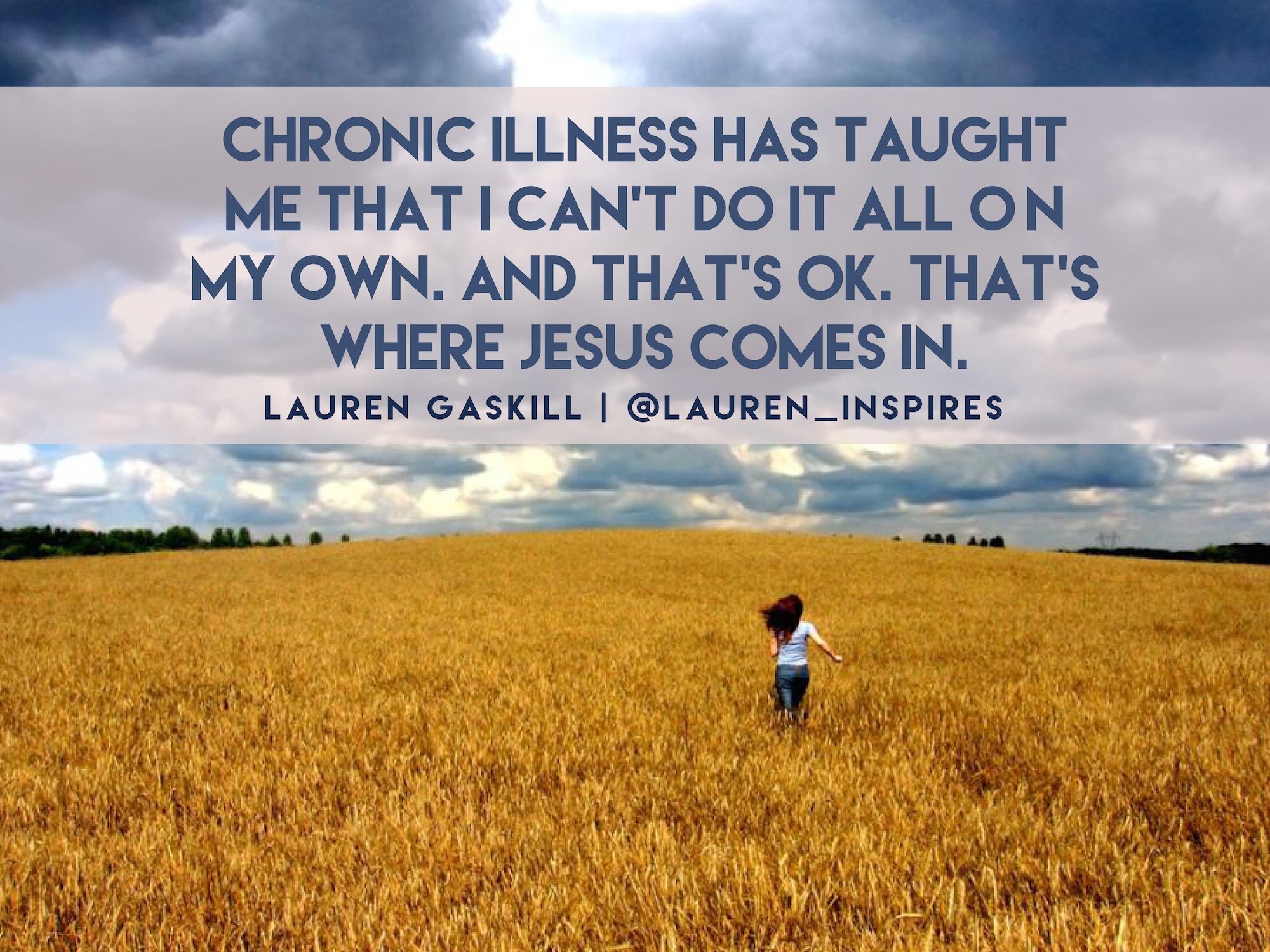
Chronic illness has taught me that I can’t do it all — and that’s OK. This is where Jesus comes in.
All of these lessons aside, the biggest thing I’ve learned is that even though I can try to manage my chronic condition, ultimately relying on Jesus is the only thing that really gets me through. He gave me this one body and this one life to live. And I am called to take care of my relationship with Him just as much as I am called to take care of my health.
I have found that the more I focus on Jesus, the less I think about all of the pain and heartache that fibro and hypermobility can inflict upon me. On both the good and bad days, prioritizing Him is the best decision I could ever make because He is the supplier of my peace, joy and strength.
Thanks, Lauren for sharing your story with us!
Ladies, you can share your story, too! If you’re living with chronic pain, how do you take care of yourself? How can we best support you on those difficult days? If you want to read more from Lauren, check out her blog, Makinglifesweet.com.
I’m so glad that you stopped by to check out today’s post. It is such a pleasure and privilege to share inspiration and encouragement with you! Did you see last week’s post on why Pixar’s movie, “Inside Out” made me cry? Click here to check it out!

by Barb Roose | Dec 31, 2014 | Christian Living/Discipleship
2014…Well, that went fast! It’s amazing how quickly 365 days pass by – especially the good days. Oh, how I wished some of those good days could have lasted a little longer. And the bad days…well, the bad days couldn’t end soon enough.
While I post a lot of positive things on social media about what’s happening in my life, my family or at our church, you’re all smart enough to know that even my sunny flower garden of life has a smelly pile of dog crap dumped in the corner.
Like you, my 2014 doled out it’s fair share of struggles with the kids, tough moments in our marriage, things that broke and cost a lot of money to fix – and so, so much more. There were moments when I thought life couldn’t get any better alternating with moments when I just wanted to crawl in bed and never get out. That’s just life, right?

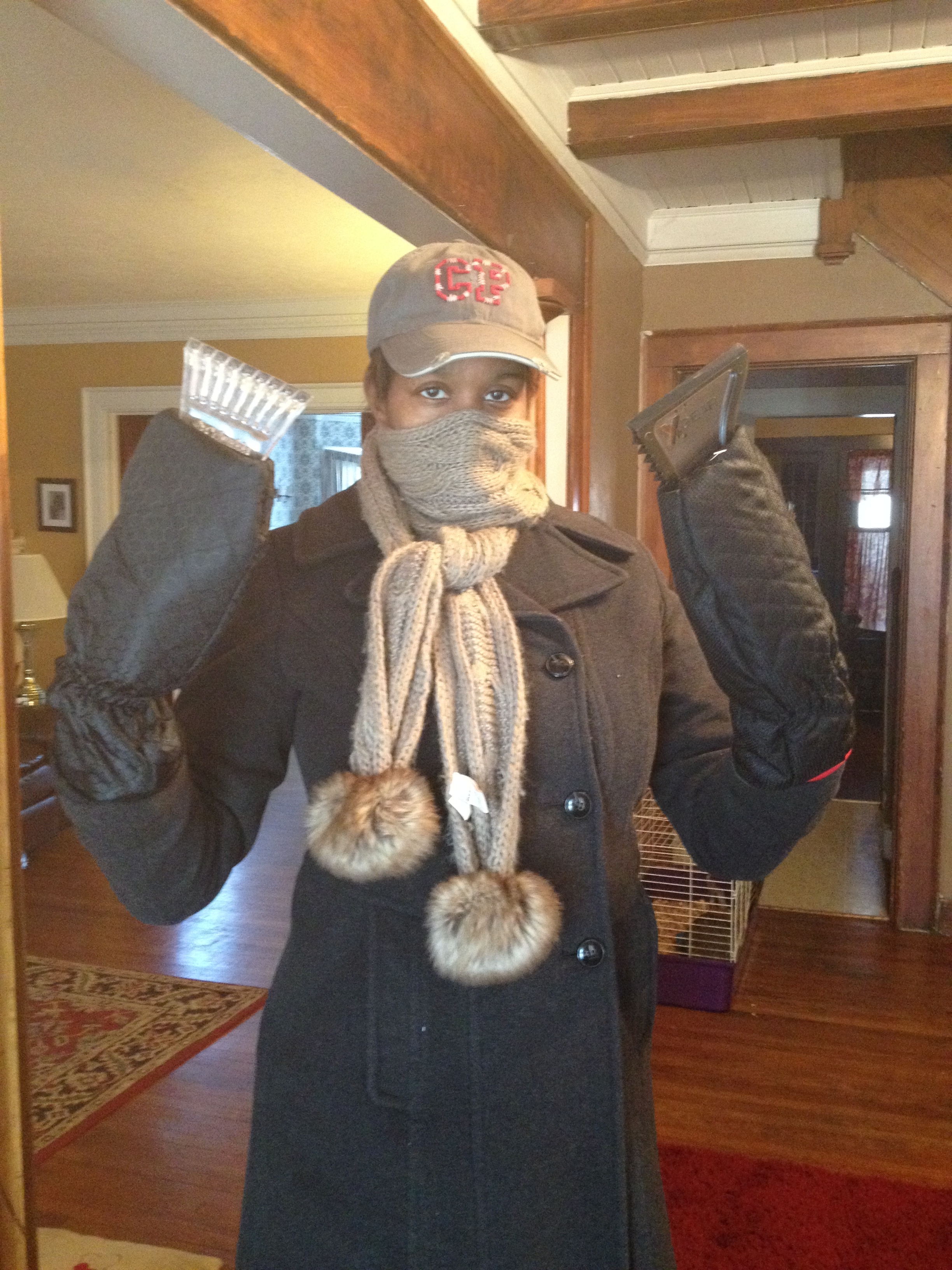
“Edward Scraperhands” in February 2014
Now it’s December 31. Aaannnnd I’m still singing the song “Let It Go” from watching the movie for the first time on Christmas Eve. My husband rented the movie because we both secretly wanted to see it, but we were too cool to admit it to each other. How come no one told me that this was an animated movie disguised as a film for adults?

Photo credit: deviantart.com
If you’re hating me because you’re singing the song now, you’ll thank me later. “Let It Go” is a great song for leaving one year and heading into the next.
Can I admit that I teared up while listening to the song? Goodness, yes I did.
As we leave 2014, there are three lines from the song that resonated with me. I’d like to share those three lines and a few questions that you may consider as you reflect on how you lived over the past year:
1. “Here I stand, here I’ll stay…”
I love how Elsa stamped her little animated foot as she built her ice castle, causing the snowflake to form as a symbol of who she was. Once Elsa decided it was time to stop running, she didn’t waver or falter. She stomped her foot and stood her ground.
What about you? Did you live by your convictions in 2014 OR did you struggle to know what to believe or say when issues of racism, homosexuality or immigration took over our news feeds and Facebook threads?
In 2015, where do you need to respectfully stand up more for what you believe and not be intimated or hushed by opposing viewpoints?

In April, apparently I grew a moustache.
2. “I don’t care what they may say…”
If you watched the movie, you saw how Elsa became a prisoner to her fear of what would happen if people knew who she really was. So, she hid behind closed doors, shutting everyone – including her sister – out.
How much of 2014 did you live based on what others thought of you? How did it feel every time that you didn’t get a chance to say or think what was really on your mind? How can you live differently in 2015?
As long as we live according to other’s opinions of what we should think, say or feel, we will be miserable because we will not be living authentically. Ask yourself this: Who has God created me to be? What has God called me to do? How has God called me to live?
As we head into 2015, I hope you take the time to figure out the answers to those questions. Then, you tell everyone else with an opinion to shut-up. (Okay, I wanted to be dramatic. Don’t use “shut up” – it’s not a nice word and Jesus wouldn’t use it. At least I don’t think that he would.)

A few weeks ago, I went to Nashville to meet my publishers and I received a copy of my book. One of the best moments of the year
3. “The past is in the past…”
We’re all dragging around old records of life events in metaphorical suitcases shackled to our ankles. The number of those suitcases vary per person. Yet, I suspect that those of you carrying a full five-piece set know that you’re being crushed under the weight of your past.
Are you being held hostage by painful memories or emotionally controlled by memories of the past?
While it’s not possible to erase the memories, you don’t have to suffer when you do remember. Holding onto every single memory of what was done to you doesn’t make you a survivor. Holding onto your need to know “why” something happened won’t make the real pain go away. Hostages are trapped with no means of escape. You aren’t a helpless hostage. God wants you to be free. Surrendering your grip of the pain, anger or worry and giving it up is what frees you!
Here’s some practical tips if you need a place to start moving away from the past:
1. You’ve got let it OUT before you can let it GO… Most of our bad memories stay trapped in our imagination on a continuous replay reel. It’s time to stop replaying the movie and acknowledge each event. Start with make a list of the past memories/incidents/people that cause you to feel pain, fear, guilt or anger. Be specific.
2. Sit down with someone that you trust and share those memories with him or her. There’s a wonderful scriptural principle (James 5:16) that tells us that when we talk about our struggles, that puts us on the path to healing. This is why counseling and recovery groups exist. You cannot let go of the painful past on your own!
3. You may need a recovery group like Celebrate Recovery or professional counseling…If you’ve got a lifetime of abuse and pain, your struggle may be more than a good friend can or should handle. Yes, it’s tough asking someone for help and sometimes, it’s expensive. But, the price you’ve paid for holding onto that baggage has been even higher.
4. Invite God into the new space…Holding onto the past occupies a lot of space in our lives. Letting go of baggage can oddly leave us feeling empty because we’re so used to that space being filled by pain, anger or fear. This is the place where you can invite God to fill. If you’re already a Christian, that’s great! Now God has more room to work in your life. If you aren’t a believer, then consider trusting God with your life and letting Him show you what a life of purpose and freedom looks like.

This year was the year one of my my life-long dreams came true…
My prayer for all of you is that 2015 is the year that you live fully, freely and faithfully. Let go of any past that is dragging you down and let go of the fears that keep you from living as God has called you to live.
Thank you for letting me be a part of your social media life this year. I’ve been honored by every person who has clicked the link to my blog. I pray that you’ve been blessed by what you’ve read. My words mean nothing if you aren’t encouraged, inspired or blessed.
Happy New Year!
Barb
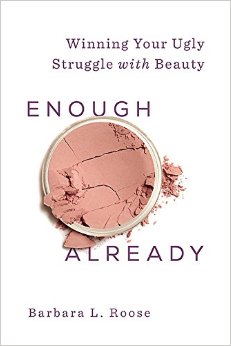
By the way, my new book, Enough Already: Winning Your Ugly Struggle with Beauty is available NOW wherever books are sold!
CLICK HERE for link to Amazon Kindle
CLICK HERE for link to Barnes & Noble
by Barb Roose | Nov 7, 2014 | Christian Living/Discipleship
I struggle with patience. Not as much as I used to, but it stays on the top five of things I need to work on. So, I totally related to a hysterical video that I saw at the Catalyst Conference in Atlanta last month. It’s called the “Marshmallow Experiment” on YouTube and has over two million hits. You can watch it below.
This video features school-aged kids who were given a marshmallow and told that if they waited patiently and didn’t eat the one marshmallow, they would receive another when the adult came back into the room. Sounds easy? Not so much.
As soon as the adult left the room, the great struggle began. It wasn’t long before kids abandoned their sedate, calm postures and got all handsy. I giggled while watching these school-aged kids sniff, roll, poke or lick those cylinders of sugary goodness. They kept a guilty eye on the door because of fear of getting caught. But fear didn’t stop a few of those kids from giving up the wait and shoving those fluffy puffs into their mouths.
After watching the video, I wondered what would happen if I switched places with those kids. Marshmallows wouldn’t thrill me, but brownies would. What would happen if I was placed in front of a dozen chocolate peanut butter brownies with chocolate ganache topping and told not to eat them for 60 minutes? What if those brownies looked like this:
Oh My! Photo from sixsistersstuff.com
Could I sit in front that tray for 60 minutes and not touch, sniff or poke them? I think so. (But, if you and I ever sit in front to a platter of brownies together, you should know that I probably licked the tops of them before you sat down. #dibs)
While I would not eat the brownies, I’d spend those 60 minutes feeling the pressure that the intense wanting applied to my waiting. I would bareknuckle my waiting until I came up with a guilt-free, Holy-Spirit approved way to eat a few of those brownies before the clock expired. And if I wasn’t able to think of anything, I would blow on those brownies until a few cocoa-laced crumbs accidently fell off.
When Our Wanting Pressures Our Waiting
Remember the old saying “Good things come to those who wait”? I hate that quote, mainly because if I know something good is waiting for me, then I want it now. I don’t want to have to wait for it. At times, patience feels like a head game. It can be confusing. There are so many things that we want, but we’re often confused about how we are to wait for them.
- Wives who long for husbands or children to go to church or get saved, yet guilt or blackmail their family members to attend each week.
- Christian single women waiting for a husband, but dating men who don’t share their faith.
- Wives angling for a certain type of house or neighborhood because of desire to be seen a certain way RIGHT NOW, even though it creates financial or lifestyle tension.
- Women who desperately want more kids but whose husbands or bodies won’t cooperate.
Just so you know, I’ve been guilty of a few of these. Not proud of admitting that. Just keeping it real.
“Hope Deferred Makes the Heart Sick…”*
We all know what it feels like to wait month after month for something to happen, but that something doesn’t happen. He isn’t asking you out…The house isn’t selling…You’ve been unemployed for months. Disappointment can chip away at our joy and our hope.
 If we are not careful, our unfulfilled waiting desires will open like a giant sinkhole in our lives and suck the joy out of everything else. Has your waiting started to drain your joy?
In the Old Testament, there was a man named Abram (later changed to Abraham). He was married to a woman named Sarai (later changed to Sarah). God promised Abram that he would be the ancestor of many, many generations of people. Yet, Abram and Sarai had no biological children.
We often talk about this story from Abram’s perspective, but I like to think about Sarai. I think about Sarai and her waiting. She knew that God told her husband that they would have children. Yet, nothing happened. And Sarai struggled.
During that time, it wasn’t uncommon for a concubine (voluntary slave) to bear children for a barren wife.** A woman named Hagar was Sarai’s concubine. So, Sarai sent Hagar to Abram to get pregnant and bear a child, even though God told them otherwise. It seems that Sarai wanted to help God out, right? I can almost hear her thoughts, “Nothing is happening. I can’t get pregnant. God must have forgotten about me. I have to do something.” (I’ve shared those same thoughts.) So, Sarai gets busy and gets handsy. She sends Hagar to Abram. He literally gets handsy and in time, Hagar gives birth to a son.
Enter Hot Mess and A Crazy
After the baby was born, Sarai acts ugly to Hagar. All of Sarai’s unfulfilled waiting and wanting unleashed at Hagar and her son. Years of months of non-pregnant anguish poured out on a second-class woman, who was a pawn in this sad story. As I reflect on Sarai, perhaps some her bitterness also arises from the regret of trying to force God’s hand before His timing.
What do we learn from this part of Sarai’s life: There is never any peace or joy in trying to force God’s hand. Furthermore, we cannot wait in bitterness and disappointment and expect to develop patience.
Let’s turn our attention to the etymological ancestor of the word patience. It’s a word that we don’t use much anymore: LONG-SUFFERING. This following definition of this word blows me away every time I read it. Here it is:
Long-suffering is the ability to endure what God allows without complaint.***
Long-suffering highlights the idea that waiting is the necessary ingredient in shaping our character and faith. God uses waiting to re-tool, re-shape and renew our character and faith. When we wait in a way that God desires, this means that we lean into our waiting situation and manage the intensity of our want and avoid the temptation to whine. Long-suffering (aka patience) is all about HOW we wait.
This means that we…
…Endure without complaint a family that hates our faith.
…Endure without complaint our difficult current reality.
…Endure without complaint our dreams that aren’t coming true.
…Endure without complaint children who go astray.
…Endure without complaint a marriage that is more struggle than blessing.
…Endure without complaint an illness that overwhelms our wellness.
How does this feel to you? I know it’s hard. It’s hard for me, too. But, learning to endure without complaint is what produces the ability to endure trials, something we all deeply desire. Long-suffering gives back to us in so many ways! It is an anchor to our faith and a catalyst for our character.
Here’s what I’m learning these days about what God wants to do in me through developing Long-suffering:
As I learn to endure, Long-suffering whispers God’s promises to me daily. Pursuing God’s best puts my wanting into perspective.
As I learn to endure, Long-suffering reminds me of the big picture of God’s plan for my life and that diminishes my whining.
As I learn to endure, Long-suffering illuminates God’s strength within me. It gives me the conviction to look into another woman’s eyes and tell her “You’re going to make it.”
As I learn endure, Long-suffering fuels the smile on my face and the joy in my heart during stormy days because I know that God’s got my back and I won’t fall down.
Now, what’s YOUR call-to-action? Do you need to change HOW you are waiting instead of focusing on WHAT you are waiting for? Where do you need to embrace long-suffering in your life?
I’d love to hear your comments. If you think this post might encourage someone else, please share it with them!
References: If you would like more information about the background of a few concepts discussed above, you can click on these links. Still got questions? Send me an email at barbr@cedarcreek.tv
* – Proverbs 13:12
** – http://www.gotquestions.org/concubine-concubines.html
*** – http://biblehub.com/commentaries/galatians/5-22.htm
by Barb Roose | Mar 21, 2014 | Christian Living/Discipleship, Uncategorized
 Bad news always feels like a punch in the gut, right?
This morning, I logged onto Facebook and saw that a young mother had lost her 2 1/2 year old little girl last night. This sweet baby suffered from a congenital disease and while her family knew that the precious one’s life would be short, nonetheless, the news came as a shock. By now, hundreds of people have posted their sympathies on her wall, including me.
Earlier this week, our senior pastor and my boss announced that he has Parkinson’s Disease. Many of you read Lee’s eblast on Wednesday night to the church. I’m not sure about you, but all kinds of emotions charged through my body. Shock. Sadness. Shock. These are sensations that we’ve experienced in our own lives as well as felt them for others.
One of the hardest facts of our human existence is that we cannot take away another’s pain. We want to. But, we can’t. And frankly, that sucks.
So, what do we do when tragedy or crisis strikes those that we care about?
What I’m about to say isn’t rocket-science, in fact it’s pretty simple. It might even be so simple that some of you might be offended because this advice seems too trite. Maybe, but sometimes, less really is more.
When it comes to talking to friends and acquaintances going through tough times, follow the “KISS” rule – keep it simple – by sticking with these three phrases:
1. “I’m sorry that you have to go through this.” STOP. This sentence is the exact right length to let someone know that you empathize with what he or she is going through.
Believe it or not, “I’m so sorry” is self-explanatory. It’s your expression of concern that the other person will value, not the amount of words that you use.
If the person wants to talk, they’ll keep talking – but let them make the call. If you feel that you want to say more, one great suggestion is to send a card. Cards are great way to express how you feel, yet give the person in need time to truly absorb your heartfelt sentiment.
2. “Is there anything I can do to help?” STOP. The best thing about humanity is our drive to rally in when tragedy strikes. It’s the part of us that digs deep to bring dishes to wakes, contribute to funds for fallen firefighters or provide resources to families whose loved ones are in a missing plane somewhere on our planet. However, bombarding the person in need with help can make them feel less in control than they already do. Yes, I know you’ve got great intentions! But, there is a time and place for everything.
The most respectful thing that we can do is let the person ask for help. (This is different if the one in need is a young child or an immediate family member, then the conversation is somewhat different.) Here, I’m talking about friends or acquaintances that have suffered a crisis or tragic situation.
Yes, there are people who struggle to ask for help, but most people will reach out. If you see a glaring need that must be addressed, offer specific suggestions like, “Can I make dinner for your family and drop it off next week?” or “Can I pick you up for your doctor’s appointment tomorrow?” If the person in need declines, accept it. Please don’t be offended and don’t badger them into saying “yes” to something he or she doesn’t want to accept in the moment. They may call later on after reflecting on your offer.
3. I’m praying for you. STOP. Prayer is powerful. Too often, we underestimate the amazing strength that comes from petitioning God on behalf of someone in need. Now, if you tell someone you will pray for them, they will be counting on your prayers! My tip: As soon as I say that I will pray for someone, I pray for them as soon as possible. Why? Because I’m likely to forget!
Here’s the thing about prayer…sometimes, God allows difficult or tragic circumstances to drive us to pray. Notice I didn’t say that God causes bad things to happen. In our fallen world, bad things do happen to good people. Yet, God can use hard things in life to help us – and strengthen our faiths. So, our prayers aren’t just for the person in need, but prayer strengthens our faith as well.
One tip…if someone you know is dealing with a long-term illness or difficult situation, send them a card every few weeks to let them know you are still praying for them. I know that God will use those cards and have them arrive at the times that person will need some extra encouragement.
Conclusion…
When we run into someone who is going through a hard time, don’t worry about being eloquent or a super-fixers, just keep it simple. Stick to those three statements and you’re concern and love for them will shine through.
TALK BACK TIME! What did you think of this post? Too simple? If you disagree, then what should people say when others experience difficult times in life?
By the way, if this post was helpful, please share it with others.





 If we are not careful, our unfulfilled waiting desires will open like a giant sinkhole in our lives and suck the joy out of everything else. Has your waiting started to drain your joy?